
l2 Agosto 2024, Lunes
Register now and vote in midterm polls
supports Agosto 2024, Buwan ng Wikang Pambansa
Aspirants file your certificate of candidacy on October 1-8,2024
Substitute candidates must be with same surname and political party
Partylist must file Certificate of Nomination and Acceptance
PM for any hospital discharge problem
Only 1 graduate out of 5 students fr maritime programs on time — CHED data
By J.Lo
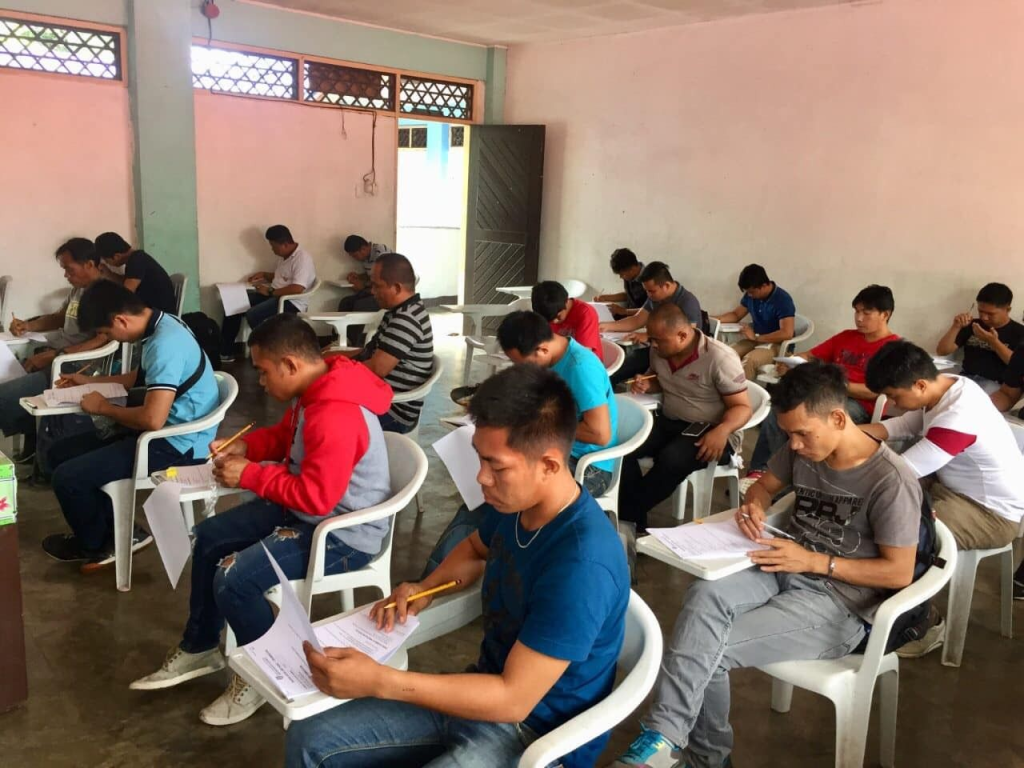
“I’m asking because we know this is relevant issue, especially for private maritime institutions…even if we lump them together with SUCs, just 14% sic graduate from them,” Rep. Ron Salo (Kabayan Partylist) only around one out of five students enrolled in Philippines’ maritime education programs have graduated on time, according to Commission on Higher Education’s latest data, with lack of training opportunities on ships cited as main factor for low completion rate.
Only around 19% of all those who enrolled in country’s two main maritime education programs in school year 2018-2019 have graduated from course as of 2022-2023, Jorel Ramirez, CHED’s officer-in-charge for division that handles maritime education, said during House appropriations committee’s deliberation of proposed 2025 budget last week.
Ramirez said out of estimated 27,000 who enrolled in Bachelor of Science in Marine Transportation program in 2018, just 3,301 graduated four years later.
Meanwhile, Bachelor of Science in Marine Engineering program only produced 2,948 graduates despite having 11,000 enrollees four years ago in 2018.
Both programs prepare students for careers as marine deck officers and marine engineers, respectively. Programs span four years, including three years of academics and one-year shipboard training. Salo expressed concern over “low success rate” in maritime programs as this is already down from low 33% reported last year.
Asked to provide success rate of eight state universities and colleges (SUC) providing maritime education programs, Ramirez said commission had no data specific to public universities, saying: “but because we just have 8 SUCs with maritime programs, it does not matter that much.”
Salo pressed CHED further, saying: “I really doubt that.”
“Why is percentage this low?” the lawmaker asked.
Ramirez explained one of the reasons behind low graduation rate is that the Philippines does not have enough ships to provide maritime students with onboard training, and their numbers are still growing.
“We produce many students but we only have limited number of ships in the country… same case even internationally,” Ramirez stressed.
The CHED official said commission cannot ascertain exact number of maritime students whose studies were delayed due to lack of slots for shipboard training.
“One of the reasons why we can’t get exact data for this, because some of those who take their shipboard training come back after a year, while others come back after three years,” he added.
Salo hopes low graduation rate can be addressed through proposed Magna Carta for Seafarers law, requires maritime education institutions to guarantee it has enough facilities “and mechanisms” to ensure all students can complete their shipboard training.
Philippines is biggest supplier of seafarers globally, with estimated 600,000 Filipinos working in the maritime industry.

 ISKUP!