
23 Hulio 2024, Martes
Congratulations and more power FMJ!!!
Register now and vote in midterm polls
Aspirants file your certificate of candidacy on October 1-8,2024
Substitute candidates must be with same surname and political party
Partylist must file Certificate of Nomination and Acceptance
No to Divorce!!!
Get well soon Nanay Angelita Santiago-Lopez
No to SOGIE bill
Best wishes Mr. and Mrs. Seth Elyon San Pedro
happy 10th Anniversary Binang City, Laguna Chapter Servants of God in Christ Jesus Christian Ministries Inc., Dr. Enrico San Pedro, Pastor
PM for any hospital discharge problem

FMJ touts ‘bloodless’ drug war, no ‘extermination’
By Nidz Godino
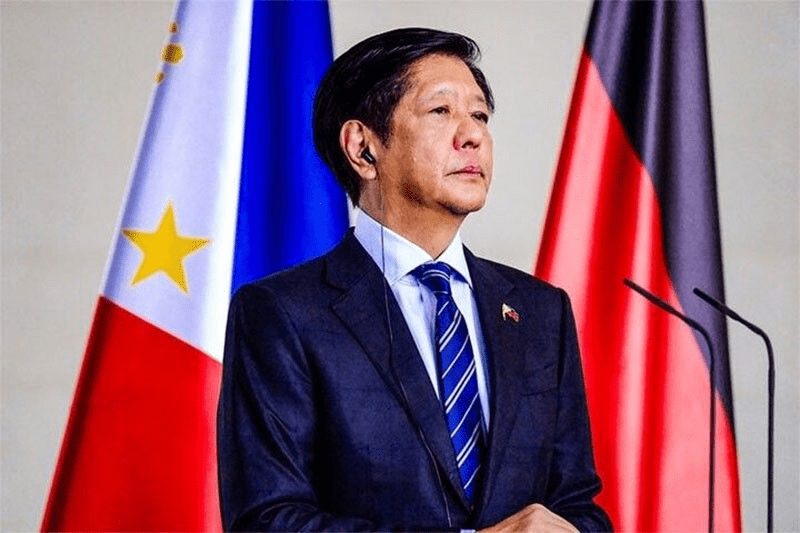
“On fight against dangerous drugs, our bloodless war on dangerous drugs adheres, and will continue to adhere, to established eight Es of an effective anti-illegal drugs strategy…extermination was never one of them,” President Ferdinand Marcos Jr. trumpeted gains of his crackdown on illegal drugs, saying billions of pesos worth of narcotics have been seized and thousands of offenders have been arrested without resorting to “extermination,” in apparent effort to contrast his style with that of his predecessor and critic Rodrigo Duterte.
In his third State of the Nation Address (SONA), Marcos said more than P44 billion worth of narcotics have been confiscated and 97,000 drug personalities have been arrested in more than 71,500 operations under his “bloodless war on dangerous drugs.”
Marcos was referring to eight Es that make up endgame in Duterte administration’s drug war engineering structure, education, extraction of information, enforcement, enactment of laws, environment, economics and evaluation.
End game also emphasizes reinforcement, rehabilitation, recovery and wellness and reintegration of drug offenders who surrendered, according to the Philippine National Police.
Duterte waged brutal war against illegal drugs when he was president, campaign human rights advocates said had encouraged extrajudicial killing and other abusive practices. More than 6,000 drug suspects were killed under Duterte, who had claimed crackdown is necessary to save next generation from crime.
Marcos, whose anti-drug campaign involves rehabilitation, reintegration and preventive education programs, had said enforcement “only gets you so far” and that police should zero in on running after people who would “make difference” in drug supply when arrested or sent to jail.
According to Marcos, more than 6,000 of the individuals arrested in anti-drug efforts were high-value targets, 440 of them government employees, including 42 uniformed personnel.
“To further paralyze their operations, dirty money and assets worth more than P500 million have been frozen and preserved…with strong case build-up and efficient prosecution, drug conviction rate is at high of 79 percent,” President said.
Marcos welcomed report that number of drug-affected barangays in the Philippines has been reduced by 32 percent. He also reported decrease in crime rate and improvement in crime solution efficiency but admitted that they are not enough.
“Our law enforcers need to continue to earn trust of our people… strong pillars of our criminal justice system, especially in light of new rules on criminal investigation, and our independent judiciary, function in unison,” he said.
Marcos administration’s campaign against illegal drugs is not “bloodless” as claimed by Marcos during his SONA, Human Rights Watch said.
HRW senior researcher Carlos Conde described Marcos’ claim as “spurious and baseless,” citing monitoring by University the Philippines Third World Studies Center.
“More than 700 have been killed under him so far and killings worsened in the past year compared to year before, and by claiming several successes such as alleged reduction in number of villages affected by illegal drugs, we expect ‘drug war’ violence to continue, probably even worsen,” Conde said.
HRW has repeatedly urged Marcos to declare end to so-called war on drugs, noting policy marked by killings continued even after end of Duterte administration.

 ISKUP!