
29 Hunio 2024, Sabado
City of Makati, France in June
Happy Fathers Day
Register now and vote in midterm polls
Aspirants file your certificate of candidacy on October 1-8,2024
Substitute candidates must be with same surname and political party
Partylist must file Certificate of Nomination and Acceptance
No to Divorce!!!
Get well soon Nanay Angelita Santiago-Lopez
Von Voyage Thomas and Aida Capica, your family enjoys your visit
No to SOGIE bill
supports June 20, National Refugees Day
Congratulations !26th Philippine Independence Day
supports June Men’s Health Month
Best wishes Mr. and Mrs. Seth Elyon San Pedro
happy Anniversary Binang City, Laguna Chapter Servants of God in Christ Jesus Christian Ministries Inc., Dr. Enrico San Pedro, Pastor
PM for any hospital discharge problem

Air pollution linked to nearly 2k child deaths a day
By Nidz Godino
“These are problems
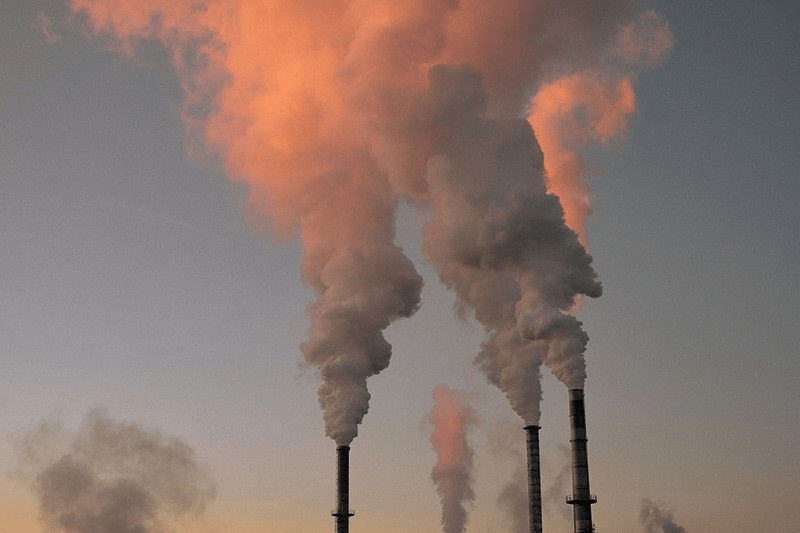
we know that we can solve,” Pallavi Pant, the Health Effects Institute’s head of global health, said nearly 2,000 children die every day from health problems linked to air pollution, now second biggest risk factor for early death worldwide.
Exposure to air pollution contributed to deaths of 8.1 million people around 12% of all fatalities in 2021, according to the report from the US-based Health Effects Institute.
This means air pollution has overtaken tobacco use and poor diet to become second leading risk factor for early death, behind only high blood pressure, it said.
Little kids are particularly vulnerable to air pollution, and institute partnered with UN Children’s Fund UNICEF for its annual State of Global Air report.
Air pollution contributed to deaths of more than 700,000 children under age of five, the report found.
More than 500,000 of those deaths were attributed to cooking indoors using dirty fuels such as coal, wood or dung, mostly in Africa and Asia.
Nearly every person in the world breathes unhealthy levels of air pollution every day, the report found.
Over 90% of deaths were linked to tiny airborne pollutants called PM2.5, measure 2.5 micrometres or less, it said.
Inhaling PM2.5 has been found to increase risk of lung cancer, heart disease, stroke, diabetes and range of other health problems.
Report aimed to link rates of such diseases with air pollution levels.
But despite “pretty stark” figures, report could still be underestimating air pollution’s impact, Pant said.
It did not take into account how air pollution could affect brain health, neurodegenerative diseases or what impact using solid fuels for heating could have, she explained.
Report also found that ozone pollution expected to get worse as world warms due to human-driven climate change was linked to nearly 500,000 deaths in 2021.
“Increasingly, many parts of the world are seeing very short, intense episodes of air pollution,” during events such as wildfires, dust storms or extreme heat, which can drive up ozone levels, Pant said.
There are “very similar solutions” for both climate change and air pollution particularly reducing greenhouse gas emissions, she stressed.
More can also be done about using dirty solid fuels for cooking indoors, Pant said, pointing to how China had made significant improvements in this area.
More than two billion people cook on basic stoves or over open fires indoors, inhaling harmful smoke.
Partly due to access to cleaner cookstoves, rate of small children dying from problems linked to air pollution has fallen by more than 50% since 2000, the report said.
In May, International Energy Agency announced that $2.2 billion had been pledged by governments and companies to improve access to less deadly cooking methods.
Report released Wednesday used data covering more than 200 countries and territories from Global Burden of Disease study conducted by US-based Institute For Health Metrics and Evaluation.
“Every day almost 2,000 children under five years die because of health impacts linked to air pollution,” UNICEF’s Kitty van der Heijden said in statement.
“Our inaction is having profound effects on the next generation.”

 ISKUP!