
11 Mayo 2024, Sabado
Happy 48th Anniversary Mariveles Baptist Church, Mariveles, Bataan

‘Bloodsicles’, baths keep Mla Zoo animals cool as heatwave hits
By J.Lo
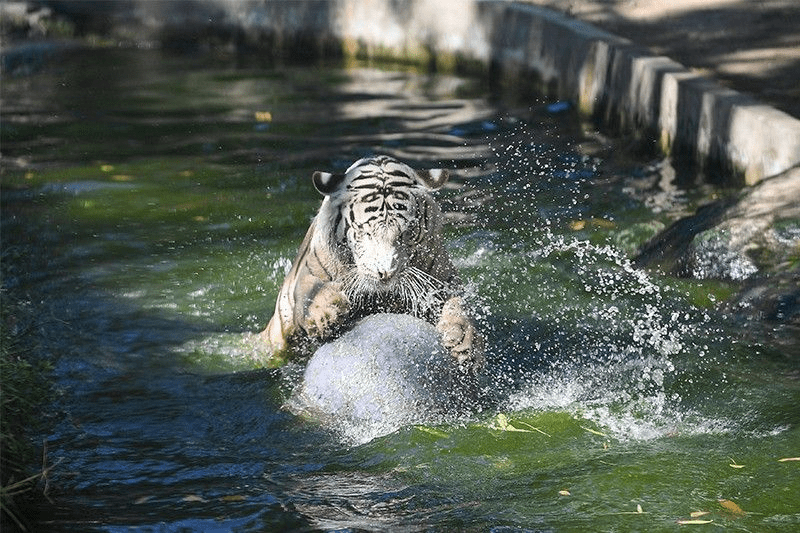
“Bloodsicles” made from frozen ground beef or chicken, animal blood and vitamins are given to big cats to lick.
Manila Zoo is giving tigers frozen treats made of animal blood and preventing lions from mating during hottest time of the day as heatwave scorches the country.
Unusually hot weather has sent temperatures in capital Manila to record high in recent days and forced schools across archipelago nation to suspend in-person classes.
As people flock to air-conditioned shopping malls and swimming pools for relief from extreme heat, animals at Manila Zoo are also trying to cool off.
Preventing heat stroke, particularly among big cats, was “main priority”, zoo veterinarian Dave Vinas told media when mercury hit 37 degrees Celsius (98.6 degrees Fahrenheit) in the city.
Water is splashed on walls and ground of concrete enclosures throughout the day to help lower temperature inside.
Tigers and lions are also regularly sprayed with water and take dips in pools inside their pens.
Wendell, five-year-old Bengal tiger weighing almost 400 kilograms (882 pounds), pants non-stop as he soaks for hours in shallow pool.
“Like tiny cats we have at home, they need to sleep at least 12-16 hours a day…but at this time since it’s really hot they are swimming to relieve heat from the body,” Vinas said.
Playvolume00:00/02:36TruvidfullScreen
Gab, lioness, looks bored as she sits on elevated concrete platform after zoo keepers locked her male companion Diego in another pen to prevent them from mating at the hottest part of the day.
“We don’t want to expose them to mating part in this heat, we don’t want to trigger any heat stroke ,” Vinas said.
Water is also poured over enclosures housing snakes and turtles to help regulate their body temperature.
While icicles and baths were normal during hotter months of March, April and May, Vinas said this year’s heat was most intense he had experienced.
“Even if they get good ventilation, temperature every year gets worse and worse,” he told media.
“We just find ways to make it better for animals.”

 ISKUP!