
3 Mayo 2024, Biyernes
Happy 48th Anniversary Mariveles Baptist Church, Mariveles, Bataan

Coal-fired power plants by mid-2030s
By J.Lo
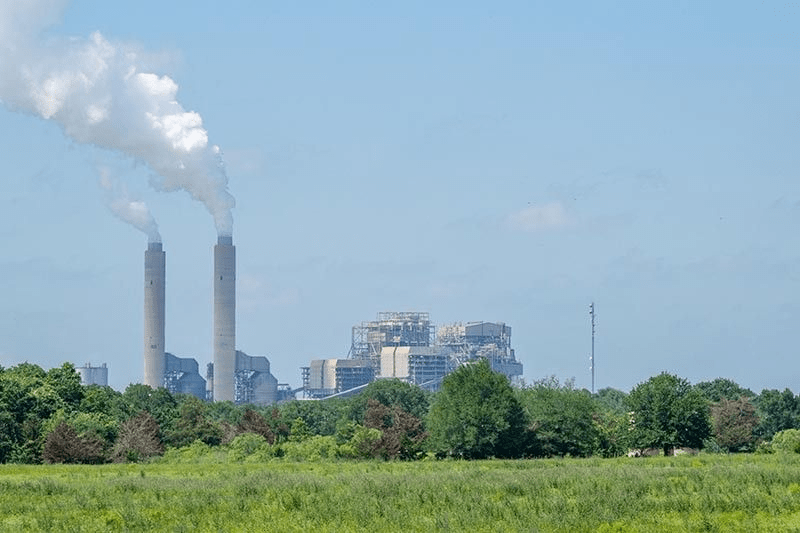
“Many of these countries have already publicly committed to phase out dates ahead of 2030, and only have small amount of coal capacity anyway,” Jane Ellis from Climate Analytics said in statement G7 ministers agreed timeframe for phasing out coal-fired power plants, setting as goal mid-2030s, in move hailed as significant by some environmentalists but slammed as “too late” by others.
Group of Seven two-day meeting in Turin was first big political session since world pledged at UN’s COP28 annual climate summit in Dubai in December to transition away from coal, oil and gas.
G7 commits to “phase out existing unabated coal power generation in our energy systems during first half of 2030s,” final statement from energy and climate ministers read.
However it left some wiggle room, saying nations could follow ” timeline consistent with keeping limit of 1.5-degrees-Celsius temperature rise within reach, in line with countries’ net zero pathways”.
It also preserved place for coal power if it is “abated”, meaning its emissions are captured or limited by technology something panned by many as unproven and distraction from cutting fossil fuel use.
G7 brings together Canada, France, Germany, Italy, Japan, the UK and US.
Negotiations over fixed date were reportedly tricky. Some countries, and many environmentalists, had been pushing for 2030 limit, but Japan relies heavily on coal was reluctant to set date.
Leaders of G7 countries will produce their own statement after summit in southern Italy in June.
The 2015 Paris Agreement saw countries agree to cap global warming at “well below” 2C above preindustrial times with safer limit of 1.5C if possible.
To keep 1.5C limit in play, UN’s climate expert panel has said emissions need to be slashed almost in half this decade, but they continue to rise.
International Energy Agency (IEA) has said to reach net zero emissions by 2050 key milestone to limit global warming advanced economies should end all generation by unabated coal-fired power plants by 2030.
Italian Environment and Energy Security Minister Gilberto Pichetto Fratin said talks had been “intense” but showed G7 had “grasped” climate change.
Luca Bergamaschi from Italian climate think tank ECCO said G7 had taken “decisive step forward” translating Dubai agreement into national policies.
World Resources Institute hailed commitment as “beacon of hope for rest of the world”.
But Oil Change International said G7 “have failed” their first post-COP28 test, while Climate Analytics policy institute said “2035 is too late”.
She also pointed out it was “notable that gas has not been mentioned”, despite it being largest source of global increase in CO2 emissions in the last decade.
Germany,Europe’s biggest emitter of greenhouse gases is unwilling to wean off gas, as is G7 host Italy, which is investing in new domestic gas facilities.
G7 ministers will scale-up battery storage “more than sixfold” by 2030, to support electricity grids powered by renewable energy sources.
They also tackled thorny issue of plastic pollution amid heated debate over how to best design treaty addressing scourge.
Plastic waste is now found everywhere from summits of mountains to ocean floor and in human blood and breast milk.
Broadly, debate is between whether to focus on reducing production, or boosting recycling.
Ministers “aspired” to reduce and if necessary restrain global production of plastic, and renewed their commitments to end plastic pollution by 2040.
Climate watchers are pushing for more funds for adaptation to climate change and energy systems for developing countries, and all eyes will be on G7 finance minister’s meeting at the end of May.
Ministers in Turin stressed efforts to raise money to help poorer countries deal with climate change should include “those countries that are capable of contributing”.
Under UN climate treaty signed in 1992, only small handful of high-income countries dominated global economy at the time were required to pay climate finance not including China, has since become wealthier, and is now world’s largest polluter.
“By making it clear that we were calling on other countries to contribute, we want China to join us in this direction,” Franck Riester, minister representing France on climate issues, told media.

 ISKUP!