
Fewer cyclones forecast for Ph, drought in 24 provinces due to ‘strong’ El Niño — PAGASA By J.Lo
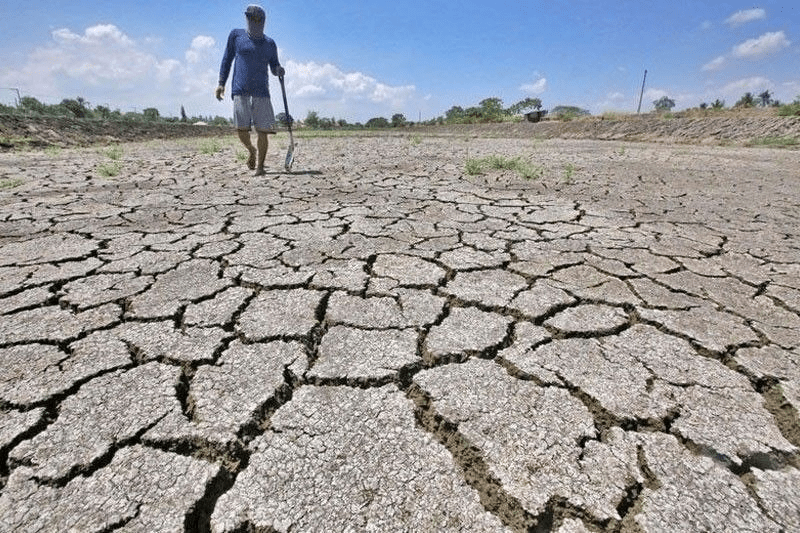
“From the first quarter to the second quarter of 2024, around two to five cyclones are expected. From July to December, we are anticipating around 11 to 14 cyclones,” Philippine Atmospheric Geophysical and Astronomical Services Administration (PAGASA) climate monitoring division chief Ana Liza Solis said
Philippines is likely to experience fewer storms in 2024 than the average of 20, as it did last year, due to El Niño.
Solis said the country may see only 13 to 19 tropical cyclones this year. The Philippines is usually affected by 19 to 20 storms a year on average.
In 2023, only 11 made landfall or came close to the Philippines.
PAGASA said in a release last week that a strong El Niño, which brings drier conditions to some parts of the country, is ongoing and may continue until February. Majority of global climate models suggest the phenomenon will likely persist until the March-April-May 2024 season.
It added that way below normal to way below rainfall conditions are likely over most parts of Luzon and Visayas, Northern Mindanao, Bangsamoro Autonomous Region in Muslim Mindanao, and Zamboanga Peninsula in January.
By the end of the month, the provinces of Benguet, Kalinga, Apayao, Ilocos Norte, Ilocos Sur, La Union, Pangasinan, Cagayan, Bataan, Nueva Ecija, Tarlac, Zambales, Cavite, and Palawan may experience drought.
Solis also warned that 2024 may be “one of the warmest years on record” due to El Niño, with temperatures in some areas in the Philippines reaching more than 40 degrees Celsius.
Early this month, World Meteorological Organization chief Celeste Saulo said that 2024 “may be even hotter and more extreme” than 2023 once the full impact of El Niño plays out.
Twenty-four provinces in the Philippines are likely to face the threat of drought by the end of February due to the El Niño phenomenon, the country’s weather bureau said.
In its latest advisory, PAGASA said that the likelihood of below-normal rainfall conditions due to a “strong and mature” El Niño remains high.
Most of the country has a 45 to 50% chance of experiencing below normal rainfall in February, except Bukidnon, Davao region, and Caraga seeing near normal rainfall conditions.
According to PAGASA, Abra, Apayao, Aurora, Bataan, Benguet, Cagayan, Cavite, Ifugao, Ilocos Norte, Ilocos Sur, Isabela, Kalinga, La Union, Metro Manila, Mountain Province, Nueva Ecija, Nueva Vizcaya, Occidental Mindoro, Palawan, Pangasinan, Quirino, Rizal, Zambales, and Negros Occidental could be grappling with meteorological drought by the end of the month.
Drought occurs when there is significantly below normal rainfall conditions for three straight months.
Meanwhile, Batangas, Laguna, Masbate, Oriental Mindoro, Antique, Biliran, Capiz, Cebu, Eastern Visayas, Guimaras, Iloilo, Leyte, Negros Oriental, Samar, Lanao del Norte, Sulu, and Tawi-Tawi may experience dry spell, or three consecutive months of below normal condition.
Dry conditions, or two consecutive months of below normal rainfall condition, may affect Bulacan, Bohol, Siquijor, Southern Leyte, Camiguin, Misamis Occidental, Misamis Oriental, Zamboanga del Norte, Zamboanga del Sur, Zamboanga Sibugay.
President Ferdinand Marcos Jr. has directed government agencies to fast-track the completion of water-related projects to mitigate potential water shortages.
PAGASA noted that near average to warmer than average air temperatures are forecast over the country, except in Batanes, Camarines Norte, Romblon, Masbate, Bohol, Southern Leyte, and South Cotabato, where cooler temperatures are expected.
“Moreover, surges of cold temperatures may still occur during the month due to the northeast monsoon,” it said.
The weather systems that will likely affect the country this month include the northeast monsoon, localized thunderstorms, shear line, easterlies, and low pressure areas.
Up to one tropical cyclone may enter or develop in the Philippine Area of Responsibility. The country may see fewer storms in 2024 than the average of 20, as it did last year, due to El Niño.
El Niño may persist until the March-April-May season, the weather agency said.

 ISKUP!