
26 days to Fire Prevention Month March
4 months to EMMANUEL
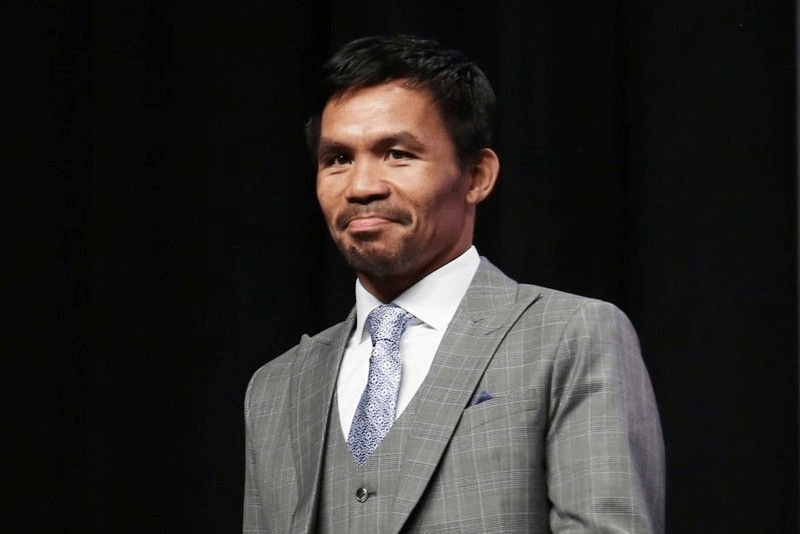
PACQUIAO 22
iskup is looking for electrical and mechanical trainees, legal age, high school drop out, 0943814499, 09916444376
in the news…
iskup supports January, National Bible Month; last week of January, National Bible Week; January 23,2022, National Bible Sunday
The National Telecommunications Commission warned watching public to withold any information to anyone offering job, it is scam.
Fate of PH real estate market hangs on result of May polls
By Nidz Godino
“Some investors might take a wait-and-see stance until the new president is elected,” Colliers Philippines associate director Joey Bondoc said “some developers are likely to resume developments and land banking once new administration outlines its polices.”
The Philippine presidential elections in May are likely to delay any investment decisions by investors and developers, as they wait and see if the new administration will be business-friendly, analysts said.
This in turn will potentially worsen market that is already reeling from impact of coronavirus pandemic.
The Philippines’ property market has been casualty of the pandemic, after several lockdowns to contain multiple waves of surging infections tipped economy into its worst recession in 2020, contracting it by 9.5 per cent. Last year, boosted by higher consumption and coming off a low base from previous year, the economy bounced back and grew 5.6 per cent.
In 2021, occupancy rates of various segments of property market office, retail and residential, particularly mid-market flats declined by 7 per cent to 20 per cent, according to property consultancy Cushman and Wakefield.
There are two factors that will determine if Philippine real estate is going to benefit from the polls, said Claro Cordero Junior, director, research, consulting and advisory services at Cushman. First, is the election’s credibility and second, its outcome.
“The biggest threat … would be hotly contested result that may potentially drag and delay the process and installation of new administration,” he said. “The release of credible election results, if significantly prolonged, due to these potential delays will undermine continuity and erode confidence among investors and consumers both in the economy and the property market.”
The two leading candidates currently are at the opposite ends of the political spectrum: Ferdinand “Bongbong” Marcos Junior, son of the late President Ferdinand Marcos, and Vice-President Leni Robredo, who represents the camp opposed to the current regime of President Rodrigo Duterte. There are other presidential contenders as well.
Marcos is seen as the most popular choice among masses, and is likely to get massive chunk of support from President Duterte’s huge following. Robredo, on the other hand, has been picked by Japan-based finance group Nomura as likely to have most positive impact on business in the Philippines.
Robredo was cited particularly for her experience and having clear strategy to lead Philippines’ recovery from pandemic.
On the other hand, given his association with President Duterte, Marcos is more likely to continue policies that are friendlier to Chinese investors, including de-escalating tensions over South China Sea territorial dispute.
The Philippine property market needs all the help it can get this year, said Michael McCullough, co-founder and managing director at KMC Savills.
“The office market rebound is expected to take place in 2022, but we still foresee higher vacancy level as compared to 2021 on the back of about 703,000 square meters of new office space coming in for completion in Metro Manila, the largest of the next three years,” he said.
“The bricks-and-mortar market is anticipated to improve, but below its pre-pandemic level. The flat market is expected to recover at a slow pace.”
The Philippine property market is showing “green shoots of recovery” in line with Bangko Sentral ng Pilipinas’ outlook for 2022, according to professional services and investment management firm Colliers.
Colliers said property demand is likely to start recovering next year especially for office, residential, and retail segments.
“In our view, the property sector’s rebound is likely to be fueled by improving vaccination, growing OFW remittances, competitive mortgage rates, and an economy that is expected to expand between 7 and 9 percent in 2022 after contracting by 9.6 percent in 2020,” Colliers said
The company said this aligned with BSP Governor Benjamin Diokno’s earlier statement that real estate and construction sub-sectors have started to recover in the second quarter. The BSP chief also said real estate market will recover in line with rebound in overall economic growth in 2022 as restrictions are eased.
Colliers said office leasing recovery will hinge on ramped-up COVID-19 vaccination, which should enable more employees to report back to their workplaces.
Stable overseas Filipino remittances and competitive mortgage rates meanwhile are seen helping boost residential demand.
“Revenge shopping” and dining meanwhile are expected to spur consumer traffic and a rebound in retail.
“We expect mall rents to recover slowly starting 2022 on the back of an improved vaccination program and a government-projected economic recovery, which should spur spending,” Colliers said.

 ISKUP!