
Iskup news-on-line daily
1 Marso 2024, Biyernes
Iskup joins Christian world in observance of Lenten season
Watch out for Phase 2 Marked Men For Christ seminar this March
More jobs to keep Pinoys home
By Nidz Godino
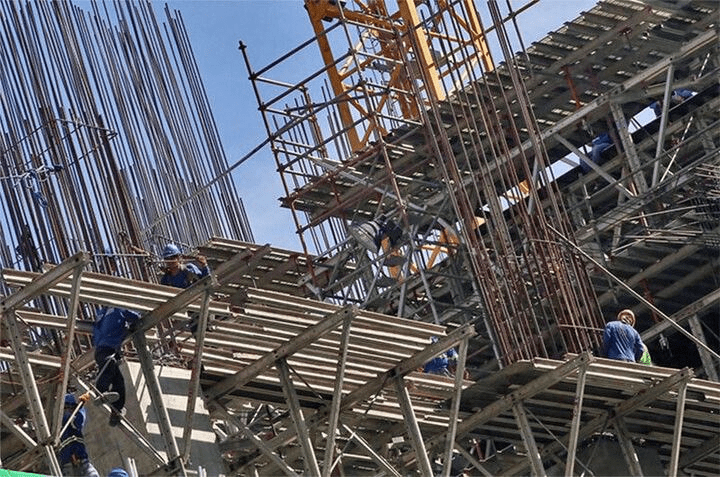
“Economic liberalization will mean more foreign investments, and OFWs will come home…foreign investors are welcome in other countries…in the Philippines, they are not welcome,” former overseas Filipino worker (OFW) Rodrigo told lawmakers economy stimulated by foreign investments could lead to generation of more local jobs so that Filipinos will no longer seek work abroad.
Rodrigo said during deliberations of Resolution of Both Houses No. 7 by House of Representatives’ committee of the whole “ lack of foreign direct investments creates joblessness and other pressing social issues… lifting of these restrictions will bring jobs to the Philippines,” he said, calling on congressmen to remove protectionist policies in 1987 Constitution.
“Effect of reducing foreign equity restrictions is strongest, denoting its relatively greater importance as statutory barrier for investors,” Rodrigo said, quoting Organization for Economic Cooperation and Development, which has ranked Philippines as among most restrictive economies.
“That’s reality, even Joint Foreign Chambers want these restrictive economic provisions in the Constitution out… restrictions are very discouraging for their countries…restrictions have to go, electricity, transmission side… we should have more advanced technology, more efficient distribution… root cause why electricity is expensive…delete all anti-foreign restriction caused by these,” he stressed.
Rodrigo, not his real name, one of the resource persons invited by House committee of the whole, represented Constitutional Reform and Rectification for Economic Competitiveness and Transformation Movement.
RBH7 House is deliberating on for economic Charter change may spur infusion of massive foreign capital, generating jobs so that Filipinos will no longer leave for greener pastures abroad, according to Rep. Stella Luz Quimbo.
For his part, Albay Rep. Joey Salceda underscored importance of updating several provisions in 1987 Constitution stalled economic growth.
“For the President to come out in support of Charter change despite his usual reservation on such matters like 1986 revolt, clearly shows he sees this as urgent and of highest national interest… first time he has deviated from that position,” he said.
Salceda also said that while Congress has amended certain laws, changes were insufficient to attract foreign investors because of restrictions in the Constitution.
“I have repeatedly emphasized if foreigners cannot own or have more secure tenure over land, they will be less willing to invest heavily on capital-intensive sectors,” he said.
Simultaneous holding of plebiscite for Charter change and midterm elections could lead to longer queues and disenfranchisement of voters, Parish Pastoral Council for Responsible Voting (PPCRV) warned.
“Should plebiscite and midterm elections be held simultaneously, we should be mindful to ensure voting process and experience is as facile and as streamlined as possible since any additions, changes to system could result in longer voting time, longer lines and possible disenfranchisement,” PPCRV national media and voters education director Ana de Villa-Singson said.
She also suggested study be conducted to determine length of time required by voter in casting ballot, especially since Commission on Elections (Comelec) would be introducing new vote counting machines in the coming May 2025 polls.
Earlier, Comelec announced it awarded P17.8-billion contract to procure 110,000 vote counting machines to joint venture of Korean firm Miru Systems Co. Ltd. Its partners for poll automation project are the Integrated Computer Systems, St. Timothy Construction Corp. and Centerpoint Solutions Technologies Inc.
To have plebiscite separate from elections would also only entail additional cost to government. It was earlier reported that holding referendum before May 2025 elections would require government to spend between P12 billion to P14 billion.
“Plebiscite is akin to an election…and while it is best way to determine voter’s will, separate activities could be costly and difficult to operationalize,” she added.
As to proposal to include “rider question” in 2025 election ballots asking public if they are in favor of easing foreign investment limits on public utilities, higher education and advertising, Singson said that there should be an information dissemination campaign to help voters understand effects of changing the Constitution.

 ISKUP!